

In the same way that there can be rags-to-riches stories, there can be riches-to-rags stories. Any ordinary person can go from one day making ends meet to experiencing a significant monetary shortfall that puts them further and further behind. However, some of the reasons why everyday people go into debt may just shock you:
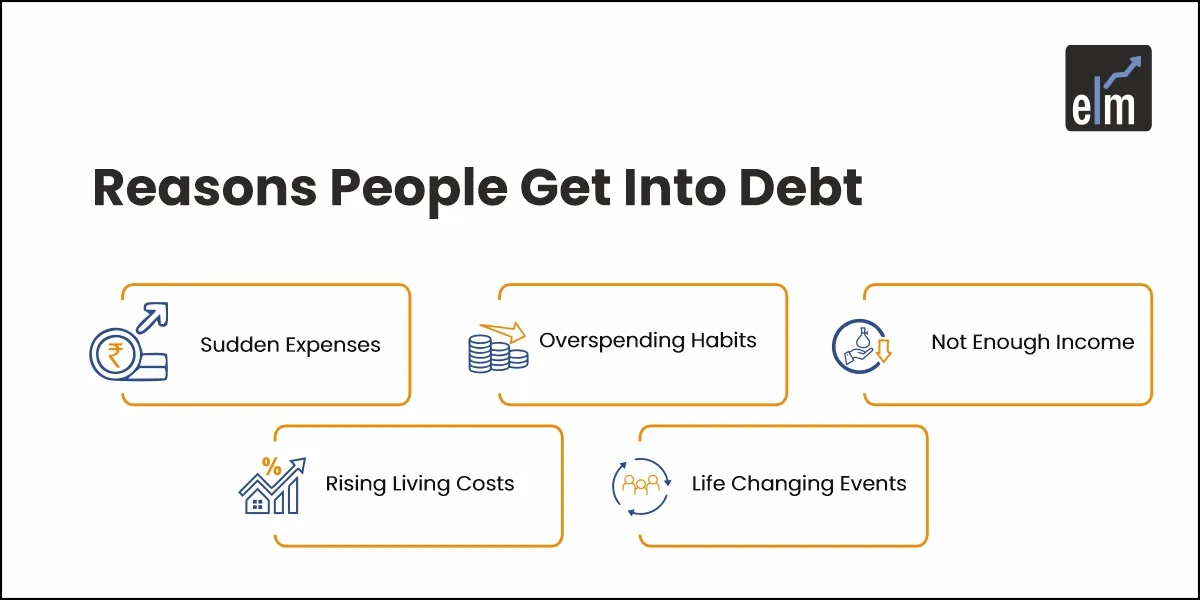
Here are the 5 Most Common Reasons for Debt
Unexpected Expense or Emergency
When you live paycheck to paycheck, as many Americans do, it can take just one unexpected expense to empty your bank account. A medical bill, a car repair, or home maintenance, like a roof or plumbing repair, is important to spend money on, but often at the expense of everyday bills like groceries, gas, and utilities.
When facing such a situation, you may research how express loans work or a payday loan, so you can cover your costs until payday. Despite feeling alone in a situation like this, you’re not. A Bankrate survey found that just 47% of Americans could cover a $1,000 emergency expense. Around 29% of Americans also have more credit card debt than they do in emergency savings.
Poor Money Management and Budgeting
In some situations, people end up in significant debt because they lack basic money management and budgeting skills. They often earn enough to cover their everyday living expenses, but they have impulsiveness and make purchases they can’t necessarily afford. This means they’re spending more than they’re earning, which is adding more and more debt to their financial situation.
Income Shortfalls
The sad reality is that many people simply don’t earn enough money to cover their basic costs. A Bank of America Institute analysis in late 2025 found that an estimated 24% of US households live paycheck to paycheck and spend over 95% of their income on necessities, leaving nothing for luxuries.
Income shortfalls can happen for many reasons, such as a generally low income in which everyday living costs exceed what someone earns each pay cycle. Some people have their hours reduced unexpectedly, and others lose their jobs. These are all unfortunate situations that can quickly put people into debt.
High Cost of Living
Debt can happen slowly. It starts with someone earning enough week to week, so they spend their money in the same way every week. Over time, they’re hit with unexpectedly high utility bills, grocery bills that slowly creep up, and shocks at the gas station when fuel prices rise.
Before long, the sum of money that once covered all their costs has left them short. It’s easy to chalk it up to a bad week, but when spending habits don’t change to meet higher living costs, it can quickly turn into unmanageable debt.

Life and Relationship Events
Life can throw us some curveballs sometimes. You can quickly go from living comfortably with a spouse and maintaining a house and lifestyle with two incomes to struggling to cover everyday costs on one income. When major life and relationship events occur, reduced household income and high legal costs can quickly lead to unmanageable debt.
Read: How to Take Control of Your Finances
It’s easy to assume that only fiscally irresponsible people end up in financial strife, but that’s not always the case. Life changes, the high cost of living, and unexpected expenses can all push everyday people further and further into debt.
Frequently Asked Questions (FAQs)
1. What role does poor budgeting play in debt?
Poor budgeting leads to overspending and lack of savings. Without tracking expenses, people often spend more than they earn, increasing their reliance on credit.
2. How does the rising cost of living increase debt risk?
As daily expenses rise, income may not keep up. This gap often forces people to borrow money or use credit cards to manage basic needs.
3. What are early signs that you are heading toward debt?
Frequent use of credit, missing payments, no savings, and relying on loans for basic expenses are early warning signs of debt.